When filling a missing tooth, the two most common options for people in Las Vegas are dental bridges and dental implants. Though each of these methods has its own set of pros, choosing one over the other depends on several factors.
This blog will help you learn about the differences between dental bridges and dental implants. After reading this, you will be able to decide which option suits you best.
What Are Dental Implants?
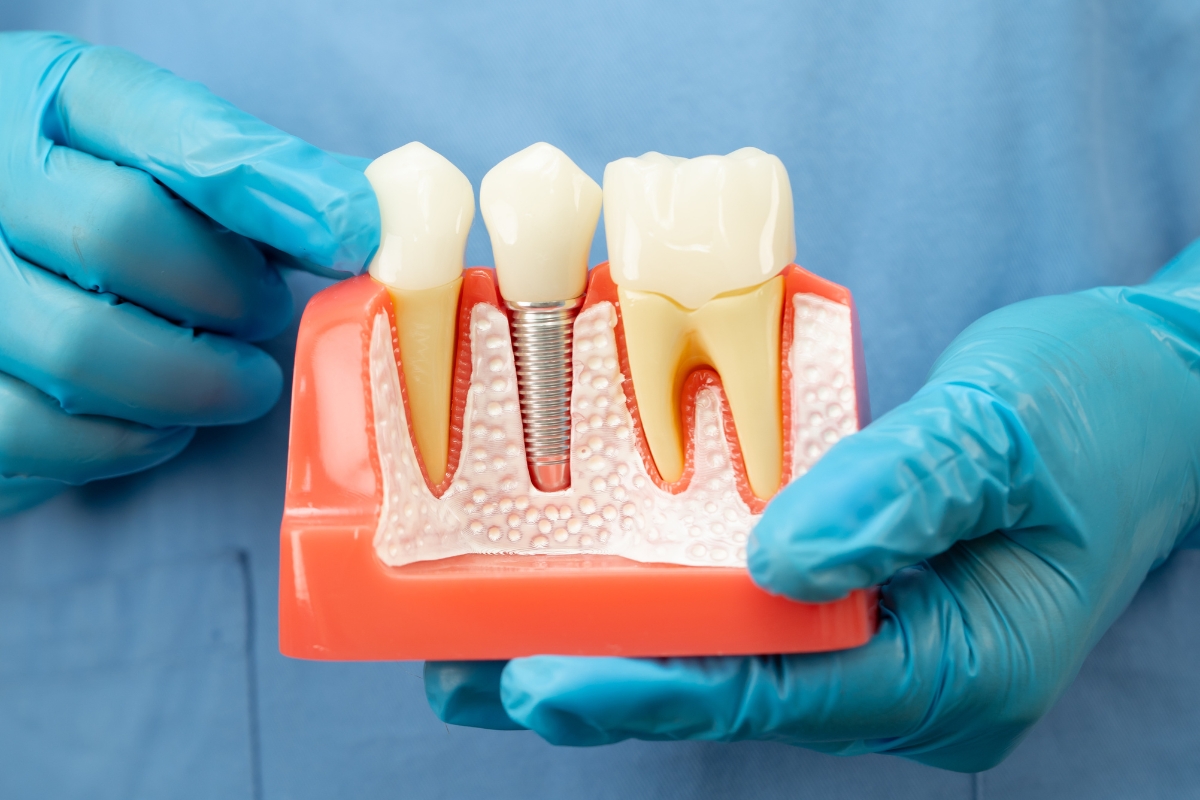
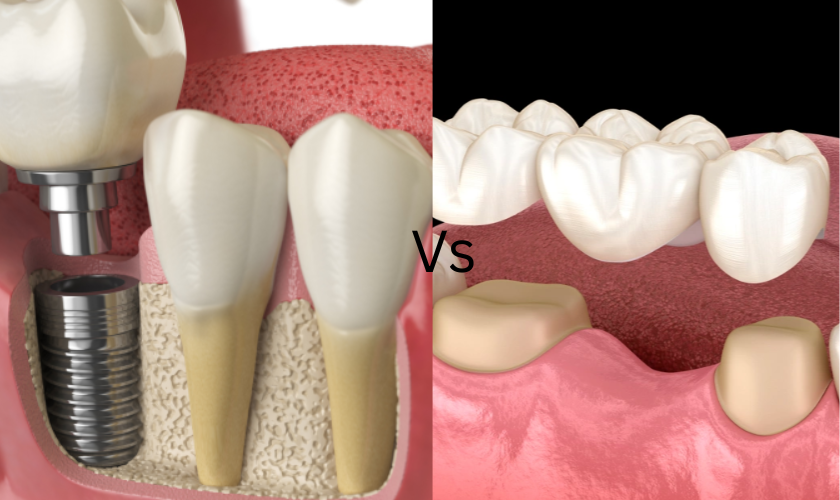
Dental implants, also known as endosseous implants and fixtures, are considered a permanent solution for people with missing teeth. An implant is nothing but a titanium root, which is surgically placed inside the jawbone to act as a substitute root to the tooth that is lost. Once the bone and the implant are fused together in a process known as osseointegration, the crown is placed over the root.
Benefits of Dental Implants
Some of the main benefits of dental implants in Las Vegas are as follows:
- Long-Lasting: If properly cared for, your implants can last a lifetime. There is no better replacement available for teeth.
- Bone Preservation: Unlike bridges, implants can help preserve the jawbone. This is possible because of the presence of the titanium rod, which stimulates the bone, avoiding bone loss, which may happen otherwise if you have a missing tooth.
- Enhanced Functionality: They work perfectly like regular teeth, and you can enjoy eating, talking, and even smiling in public without worrying about them shifting or losing stability.
- No Need to Alter Adjacent Teeth: As they are standalone, there is no need to work with surrounding teeth.
Though implants are highly successful, they also involve a surgical procedure, which can be frightening to some people. Additionally, the procedure takes several months, as the endosseous implant needs to bond to the jaw before the crown is attached.
What Are Dental Bridges?
A dental bridge is an appliance used to fill the space where one or more teeth are missing and is secured to the neighbouring teeth/implants. A bridge comprises an artificial tooth and two side crowns that hold the tooth in place within the structure, creating a “bridge” over the space where the teeth were missing and providing the patient with the desired functionality and aesthetics.
Benefits of Dental Bridges
Some key benefits of using bridges are as follows:
- Quick and Easy: The procedure for a bridge can be completed in only two visits, making this option faster than implants.
- No Surgery Required: Placing a bridge does not require surgery, which may be preferable for those unable to undergo surgery.
- Non-Invasive: As dental bridgework is supported with natural teeth, there are no bone alterations needed.
Despite the benefits, bridges have a few disadvantages. First, they depend on neighboring teeth for support, though at times they may require reshaping sound teeth. They also do not prevent jawbone loss, a common side effect of missing teeth.
Key Differences Between Dental Bridges and Implants
It can be difficult to decide between bridges and implants, particularly since both are highly effective in addressing missing teeth. The following comparison will help you determine the best option for your situation.
Procedure
- The procedure for applying the dental bridge is also non-surgical. This requires the adjacent teeth to be prepared so the bridge can be attached to them. The procedure is also faster since only a couple of visits to the dentist’s office are required.
- Surgery is required for implants. The process involves placing a titanium rod in the jawbone, which eventually integrates with it. This usually takes several months, with different stages being performed before the final touch of the crown.
Longevity
- Usually, bridges last 5 to 15 years, depending on how well they are maintained. Nevertheless, they sometimes need to be replaced because they tend to wear out or are susceptible to damage.
- Implants are a long-term fix. They can last a lifetime if properly cared for. Additionally, the titanium rod implants permanently into your jawbone. This creates a permanent base to place your crown.
Bone Health
- The bridge does not address the bone loss that can occur in the jaw when a tooth is lost. In the future, the bone may shrink, altering the facial structure.
- Endosseous implants provide the greatest benefits by stimulating the jawbone. With a titanium implant looking like a tooth root, bone shrinkage does not occur.
Appearance
- Bridges are a natural way to cover the area, but their appearance may not be as lifelike as that of a fixture. Bridges are fixed to the teeth adjacent to the space and may not be as stable as the tooth, which is rooted straight into the bone.
- Implants are designed to resemble and feel like natural teeth. The crown placed on the top of the tooth is custom-made to match the look of the tooth around it, making you look more beautiful and giving you a beautiful smile.
Maintenance
- Bridges themselves don’t need special attention, but they do need to be cleaned meticulously to prevent plaque accumulation at the attachment points. Brushing and flossing are essential for their longevity.
- They need very little maintenance. They can be taken care of in the same way that you take care of your natural teeth. There’s no need for special cleaning.
Tooth Structure
- Placing a bridge requires shaving the neighbouring teeth to serve as anchors. This can negatively impact the original teeth.
- As implants can be placed alone without relying on other teeth, healthy tooth structure does not need to be altered.
Why Choose Dental Implants Over Bridges
For individuals who value long-term stability and health, there are many benefits to dental implants in Las Vegas, including:
- Better Functionality: Your ability to chew, speak, and smile is corrected through an endosseous implant.
- Increased Confidence: Knowing that your new teeth are fixed in place and that they will not shift or slip helps to instill confidence.
- No Special Care: Unlike bridges, which require regular cleaning, fixtures can be maintained with your daily oral hygiene practices.
Making the Right Choice
Whether you choose implants or bridges, both procedures can help improve your smile. If you live in Las Vegas and are looking for implants, contact us at Alatorre Dental. Our team will help you decide what is best to restore your oral health.
Schedule a consultation with us to learn more about the benefits of dental implants and bridges. We will assist you in understanding the steps of each treatment process so you can make an informed decision about your dental needs.
FAQs
1: How long does a dental implant take to heal?
Healing from a dental implant typically takes 3–6 months. During this time, the implant fuses with your jawbone in a process called osseointegration. While the overall process can take up to 9 months, most patients find the healing phase manageable with minimal discomfort.
2: Are dental implants painful?
Dental implants are generally not painful because local anaesthesia is used during the procedure. After the surgery, patients may feel mild discomfort, which can be managed with over-the-counter pain relievers. Swelling and tenderness are normal but typically subside within a few days to a week.
3: Can dental implants fail?
Although rare, dental implants can fail due to infection, improper healing, or inadequate bone integration. Proper care and follow-up visits are essential to ensure the implant heals correctly. If you face any complications, contact your dentist to address issues early and prevent implant failure.
4: How do I take care of dental implants?
Caring for dental implants is simple. Brush and floss them daily, just like natural teeth. Regular dental checkups and cleanings are crucial to monitor their condition. Avoid habits such as grinding your teeth or chewing on hard objects, as they can damage the implant or surrounding tissues.
5: Can I get implants if I have bone loss?
Yes, if you have bone loss, you may still be a candidate for dental implants. A bone graft can be performed to rebuild the lost bone structure, providing a stable foundation for the implant. Consult your implant dentist to determine the best approach based on your needs.