Wisdom tooth pain is a common issue for people in their late teens or early twenties. Though in some cases the pain may be mild, in others it can be severe, affecting the teeth and gums. Wisdom tooth pain can also lead to a range of problems involving the teeth and gums.
In this blog, we will explore the common signs of pain that may indicate your wisdom teeth need dental work. By recognising when the pain is more than just an annoyance, you can prevent any complications down the road.
Why Do Wisdom Teeth Cause Pain?
Wisdom teeth are commonly referred to as “third molars” and are the final set of teeth found at the back of an individual’s mouth. These teeth develop in late adolescence or early adulthood. Even though some individuals have sufficient jaw space for the eruption of their third molars without difficulty, others develop impaction, infection, or inflammation, leading to pain.
What to Expect During Wisdom Teeth Removal?
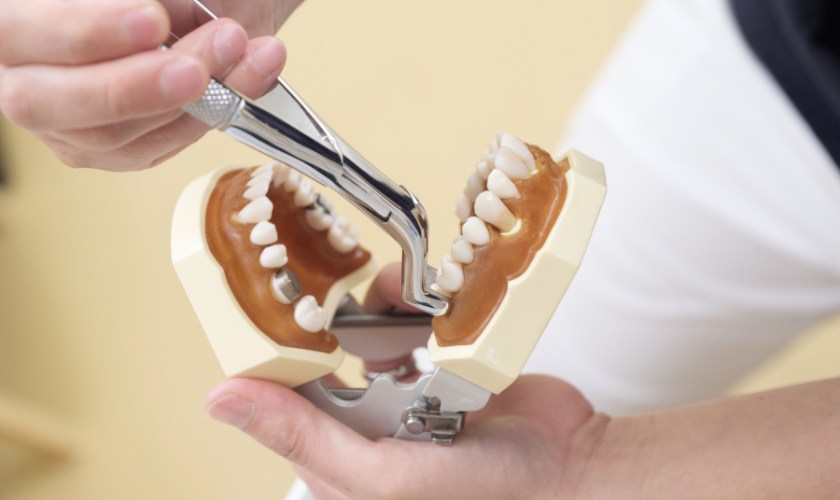
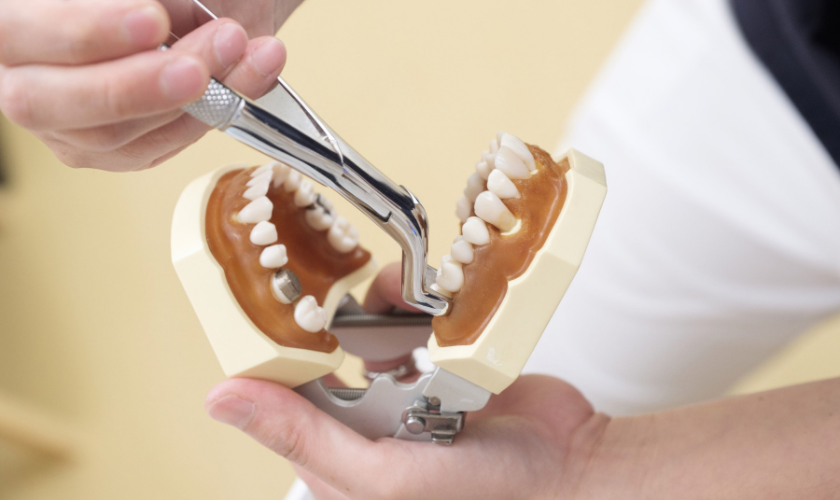
The procedure for wisdom teeth removal in Las Vegas depends on the situation. Usually, the area around your teeth is anesthetized to eliminate pain. In some instances, sedation is also used to keep the individual relaxed throughout the procedure. Impacted third molars are then extracted.
After the procedure, you might feel swelling and discomfort in the area. However, this is normal. Your dental professional will guide you on how you treat the swelling and discomfort. Most people take 3 to 7 days to fully recover from surgery, depending on the procedure’s complexity.
Common Signs That You Need Wisdom Teeth Treatment
Problems related to third molars can quickly get out of hand if left untreated, so it is important to seek dental care to ensure your mouth is in its healthiest state. Here’s how seeking dental care will help you maintain good dental health and keep your smile healthy.
1. Pain or Swelling in the Back of Your Mouth
One of the most common indicators of issues with your third molars is the presence of pain and/or swelling within the area towards the back of your mouth, where your third molars reside. This soreness can be anything from annoying to extremely painful. Swelling in the area of your gum tissue often suggests infection or impaction.
2. Difficulty Opening Your Mouth
If you have difficulty opening your mouth widely, it may indicate an impacted third molar. An impacted tooth is a condition in which a tooth lacks sufficient space to erupt through the gum line. This is usually painful and may make it difficult for a person to eat, speak, or even yawn.
3. Jaw Stiffness or Pain
Swelling, stiffness, or pain in the jaw area can also occur because of third molars. If it hurts or feels stiff when eating or speaking, it is an indication that you should contact an oral surgeon. It is quite possible that jaw pain indicates the need to remove that tooth.
4. Infection or Gum Disease
If your third molars are not in the proper position or only partially emerge from the gums, it can lead to the development of pockets in the tissue. Bacteria can reside in the pockets. This will increase the risk of infection in the area of the molar tooth.
5. Persistent Bad Breath or Bad Taste
Bad breath or a bad taste in your mouth that does not go away after brushing could be a sign of a problem with your third molars. Impacted or partially erupted third molar teeth create opportunities for food particles to become lodged in the area, leading to bacterial growth and, in turn, bad breath or a persistent bad taste in the mouth.
6. Headaches and Earaches
Ironically, wisdom toothaches can, in some cases, cause pain to radiate throughout other parts of your face, including your head and ears. You can be suffering from wisdom toothaches and concurrently have headaches and/or earaches, and in many cases, this is due to the impact on the nerves in that region from an impacted tooth. This could be the source of an aching sensation that one might mistake for a sinus infection.
7. Visible Cysts or Tumors
In other instances, the third molars may lead to cysts and/or tumors in the surrounding area. The growths may cause possible harm to the adjacent teeth/jawbone and may need to be surgically removed. If you happen to identify lumps/bumps in the vicinity of the third molars, you need to see a dentist as soon as possible.
Why Timely Treatment is Important
While it might be simple to disregard the issue of a minor ache from a third molar, if you do not treat the issue when you have the chance, you could face other problems down the line. Not only can the problem get worse until you need significant pain control measures, but it can even cause infections or damage to the jaw. Consulting a professional in Las Vegas for wisdom tooth treatment can help eliminate your current pain and prevent future problems.
Prevent Complications with Proper Treatment
If you or someone you know has been suffering from any of the conditions listed above, it is a good practice to take proactive measures to resolve the problem before further complications set in. Ignoring the problem may result in severe complications, including infections, damage to adjacent teeth, or alignment issues, when the problem could easily be prevented with proper, prompt attention.
When you visit Alatorre Dental in the Las Vegas area, we recognise the discomfort that comes with a molar tooth. Rather than continue in pain and discomfort, if you feel that the time has come for a visit for the removal of the wisdom tooth in the Las Vegas area, then do not wait until the issue becomes worse.
FAQs
1. How do I know if my wisdom teeth need to be removed?
If you are feeling pain, swelling, difficulty opening your mouth, or recurring infections around your wisdom teeth, it’s time to consult with a dental professional. These are signs that your wisdom teeth may need to be removed.
2. Can wisdom teeth pain go away on its own?
While mild discomfort may resolve on its own, persistent pain is often a sign of a more serious underlying issue, such as impaction or infection, that requires dental treatment.
3. Is wisdom teeth removal a painful procedure?
Wisdom teeth removal is typically performed under anesthesia, so you won’t feel any pain during the procedure. Afterward, some discomfort and swelling are common, but pain can be managed with prescribed medications.
4. How long does recovery take after wisdom teeth removal?
Recovery typically takes between 3-7 days, depending on the complexity of the extraction. Most people can return to normal activities within a week, although some may need additional time for full healing.5. Can I eat normally after wisdom teeth removal?
In the first few days following the procedure, it’s important to stick to soft foods and avoid chewing near the extraction site. Your dentist will provide guidance on when you can return to your regular diet.